


Product Launches & Roadshows

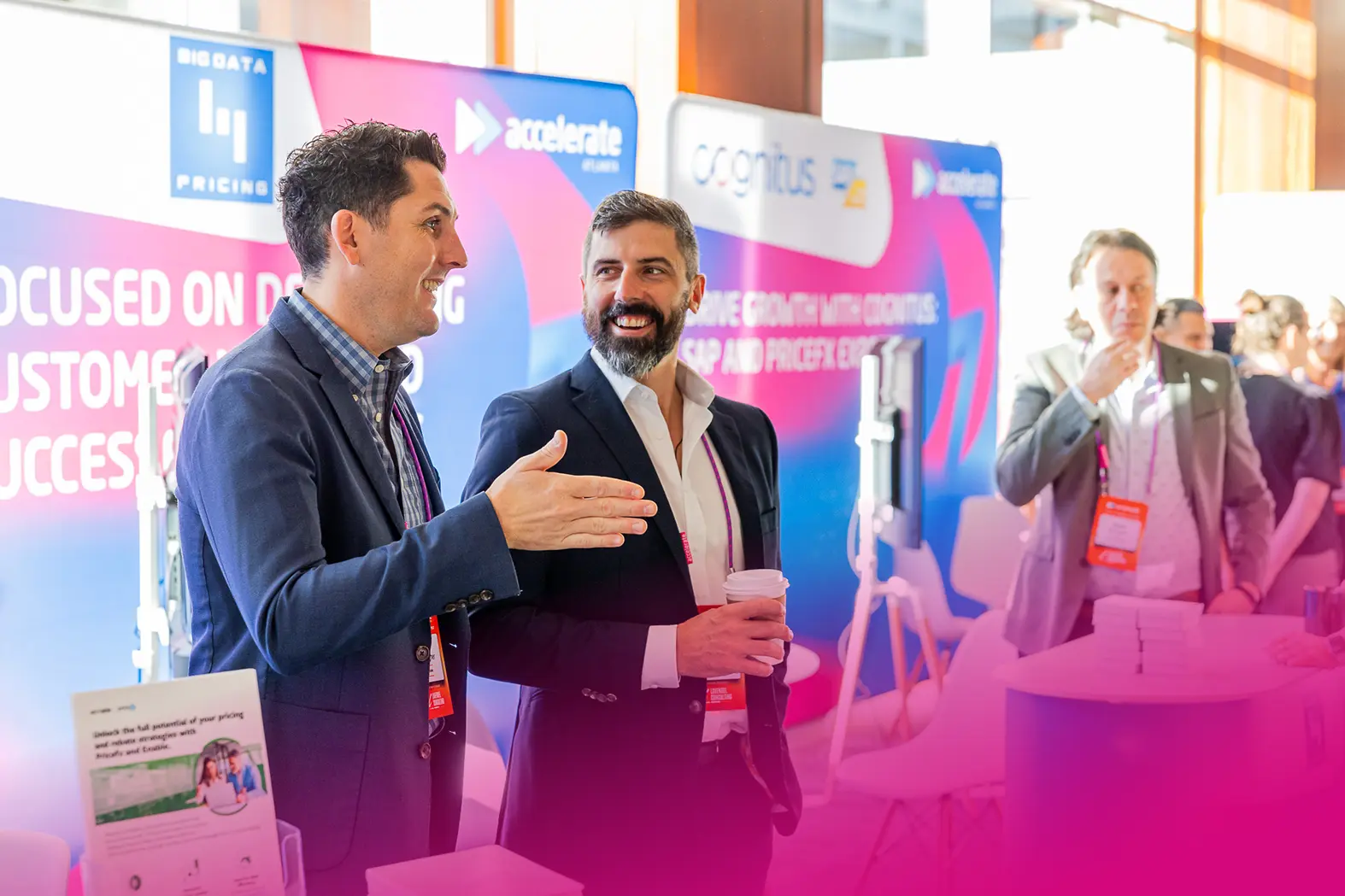
A product launch isn’t just a show. It’s where your market starts forming an opinion about your product.
A good launch does more than create attention. It helps sales teams tell a clearer story, gives partners a reason to engage, and gives media something worth writing about.
But that only works when the event is part of a broader marketing and sales strategy. If that strategy is missing, we’ll tell you before we start planning.


Who This Is For
We work best with companies that:
- Are launching a product and want the event to drive sales – not just buzz
- Have a product that’s hard to explain on a slide – something that needs to be seen, tested, or discussed
- Want to reach clients and partners locally – city by city, market by market
- Have a partner or distributor network and want to help them sell more, not just offer another discount
- Want partners or sponsors to co-fund the event, but need a structure that makes sense for them
- Are entering a new market and need a launch that builds credibility from day one

Why a Well-Designed Launch Drives Revenue
- Hard-to-explain products sell better live - Buyers can see the product, ask questions, and compare - instead of reading a PDF.
- A launch builds awareness - a roadshow builds pipeline - One event won't reach everyone. A roadshow takes the message to the market, city by city.
- A launch builds awareness - a roadshow builds pipeline - One event won't reach everyone. A roadshow takes the message to the market, city by city.
- Partners can co-fund the event - A well-structured program can cover a significant share of the cost - especially in a roadshow format.
- A stronger market entry - A good launch builds credibility from day one - before you start selling.
- Content and media that keep working - Video, case studies, and coverage support sales long after the event. Each roadshow stop adds more.
How We Work
1.
Define the goal:
Product, audience, market context, and what the launch needs to achieve.
3.
Build the business case:
Partners, sponsorship options, budget logic, and value for everyone involved.
5.
Produce and deliver:
Stage, AV, logistics, outreach, on-site delivery, and roadshow coordination.


2.
Plan the format:
Venue for a launch, route for a roadshow, and the right experience for the audience.
4.
Design the program:
Demos, expert sessions, sales materials, and content built around buyer questions.
6.
Extend the impact:
Reports, video assets, case studies, and content your sales and marketing teams can keep using.
1.
Define the goal:
Product, audience, market context, and what the launch needs to achieve.
2.
Plan the format:
Venue for a launch, route for a roadshow, and the right experience for the audience.
3.
Build the business case:
Partners, sponsorship options, budget logic, and value for everyone involved.
4.
Design the program:
Demos, expert sessions, sales materials, and content built around buyer questions.
5.
Produce and deliver:
Stage, AV, logistics, outreach, on-site delivery, and roadshow coordination.
6.
Extend the impact:
Reports, video assets, case studies, and content your sales and marketing teams can keep using.
What Sets Us Apart
- Hard-to-demo product? Even better. – We specialize in products that don’t sell from a slide. We design formats where buyers understand the value and are ready to talk business.
- We’ll tell you if it doesn’t make sense – Wrong format, too much scale, bad timing. You’ll hear it in the first conversation – not after the invoice.
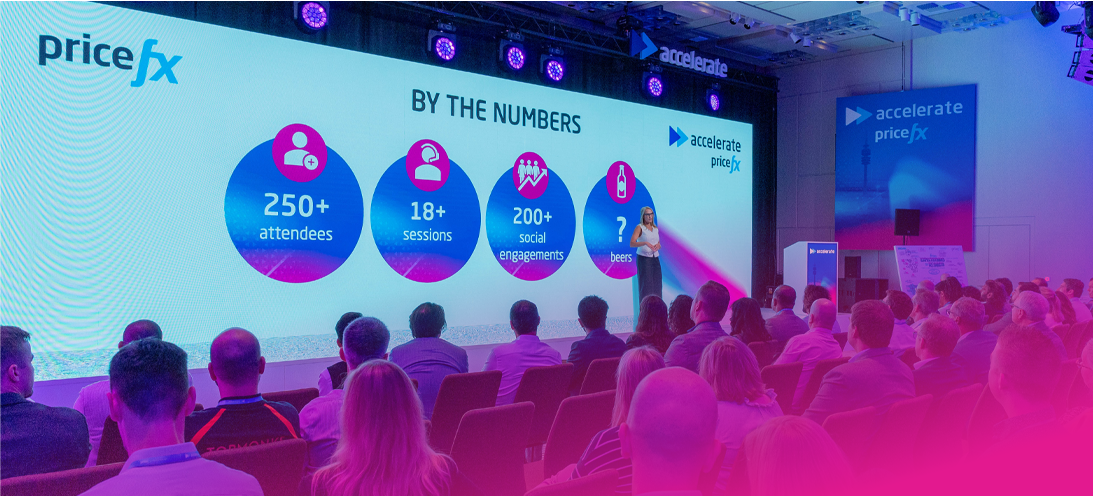
- Any scale, same standard – From 20-person partner meetings to 500-person launches with media. The format follows the goal – not the ambition.
- Media that have a reason to write – We design launches so journalists have a story – not just another press release to ignore.
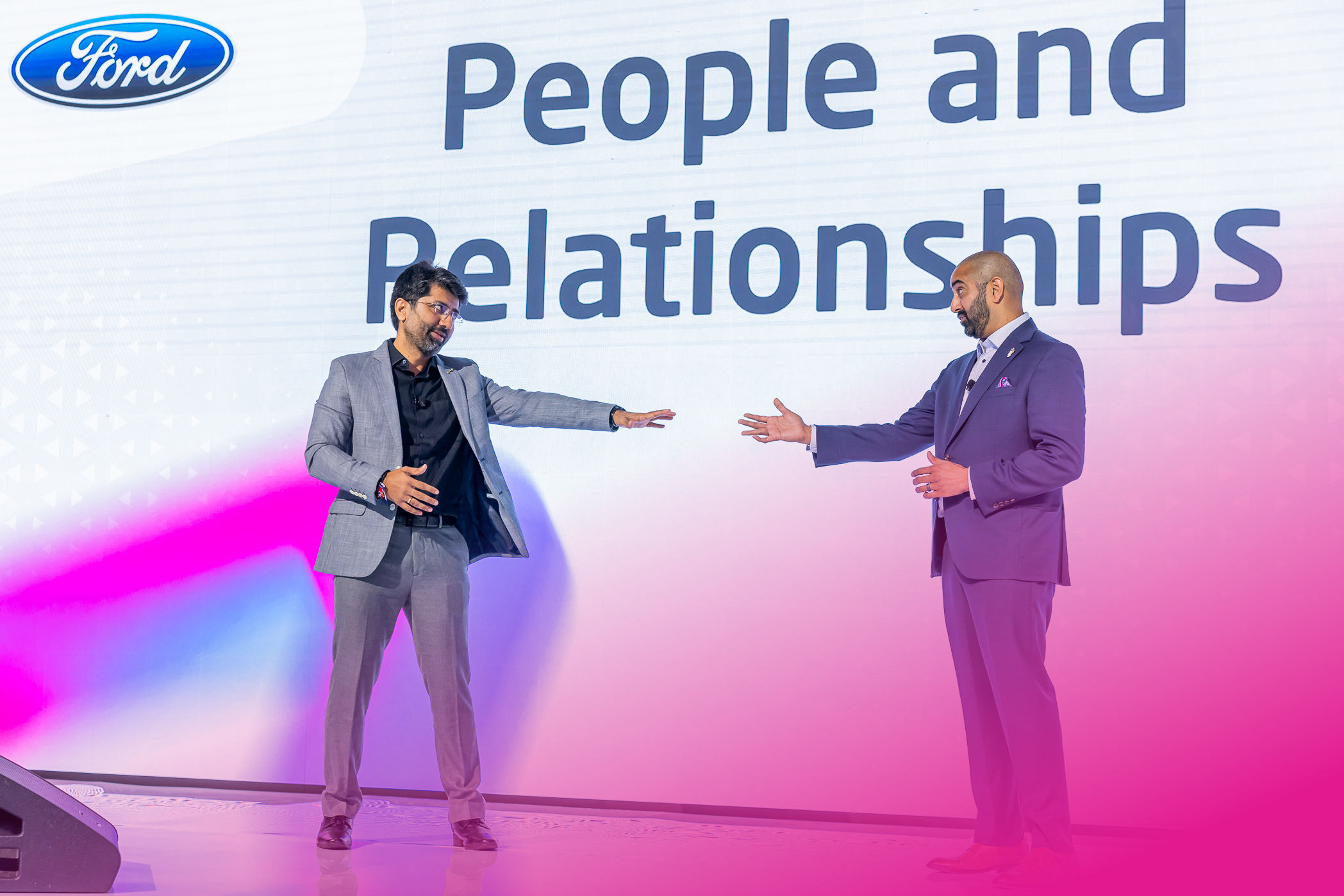
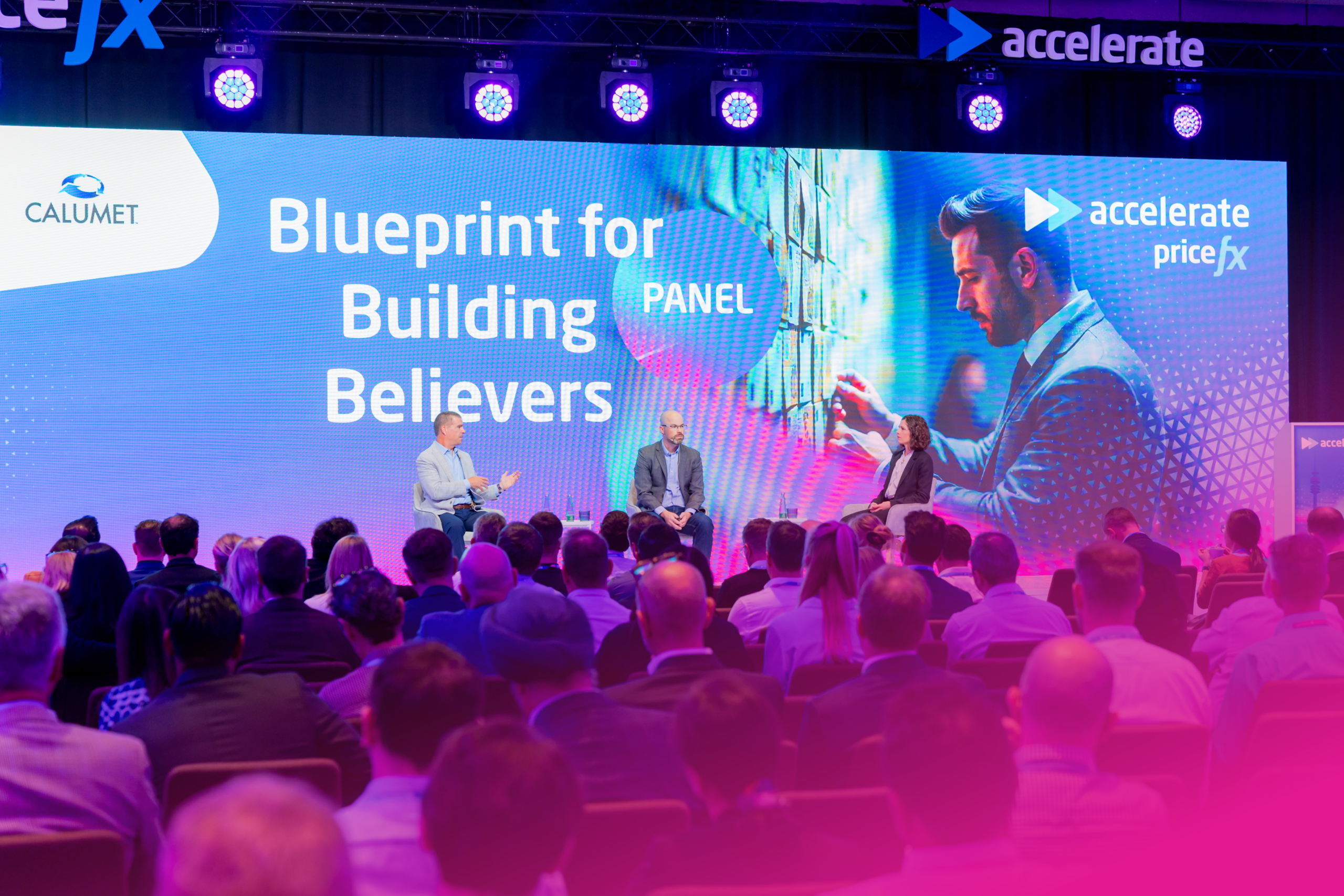
Co nas wyróżnia?
- Traktujemy eventy jak narzędzie biznesowe, które wspiera firmy w realizacji ich celów.
- Mamy doświadczenie w realizacjach w USA, Europie i na Bliskim Wschodzie
- Dzięki znajomości przepisów, regulacji, procedur celnych i kultury biznesowej potrafimy unikać potencjalnych problemów.
- Działamy elastycznie: od doradztwa, przez realizację, po długofalowe wsparcie
- Stawiamy na przejrzystą komunikację, klarowne procesy i wymierne rezultaty
Good to Know:
- A launch works best as part of a broader marketing strategy. If that strategy is missing, we'll tell you before planning starts.
- Roadshow costs can often be shared with partners - a common option many companies never explore.
- A good launch isn't a one-time event. Video, case studies, and recaps can support sales for weeks or months after.
Planning a launch or roadshow? Tell us what you want to present and who it's for. We'll start by figuring out if the format makes sense.
What Does It Cost - and How Do You Avoid Wasting Budget?
The budget is not just production. It also includes promotion and post-event content – and all three need to be balanced.
Typical budgets:
- Product launch — $30,000 to $300,000+
- Roadshow — $70,000–$250,000+ per stop
How to reduce costs:
- Match the scale to the goal – not the ambition
- Share costs with partners or sponsors
- Balance the event production with the campaign that promotes it
Typy eventów, które robimy najczęściej
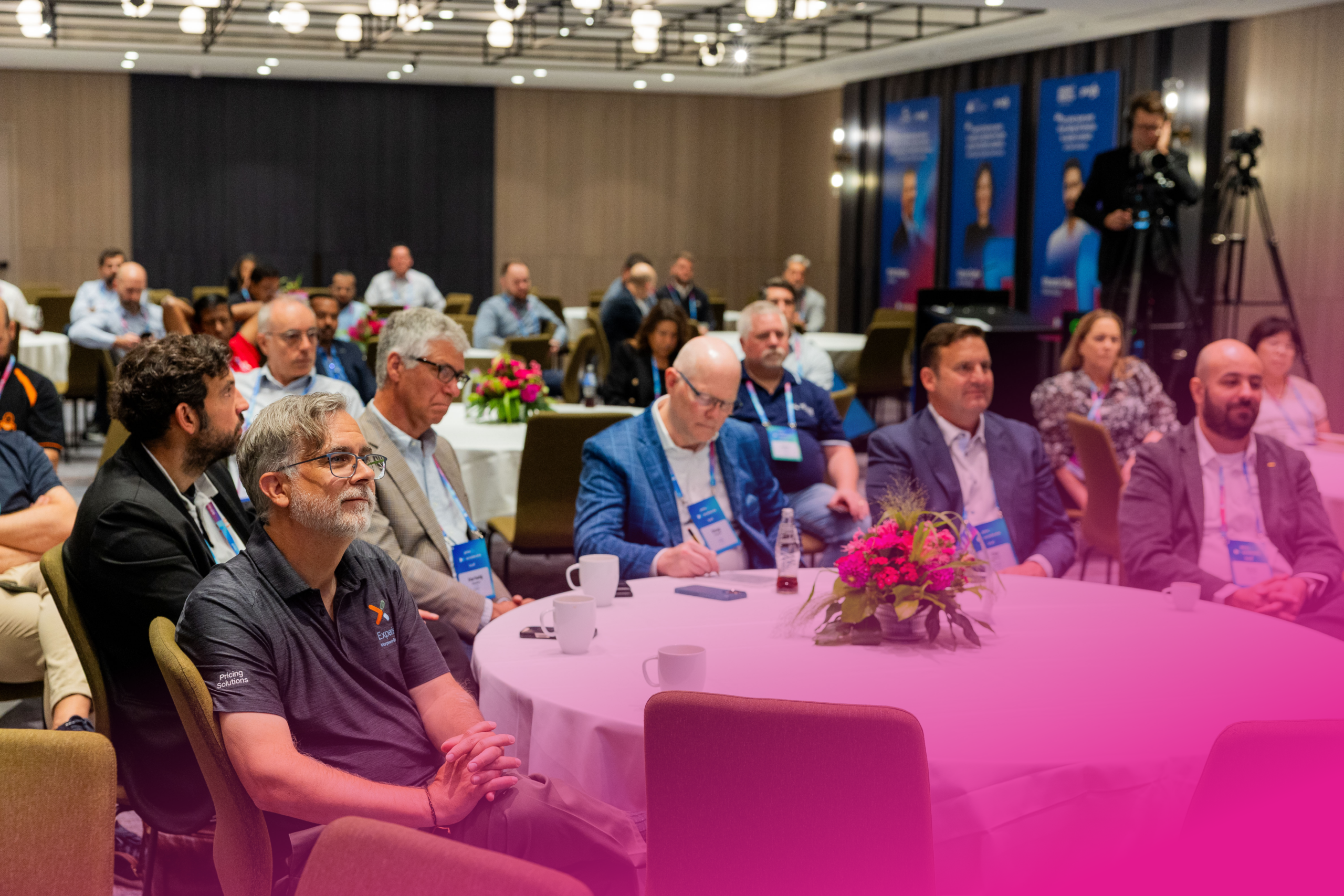
- Konferencje dla klientów i partnerów (w tym międzynarodowe)
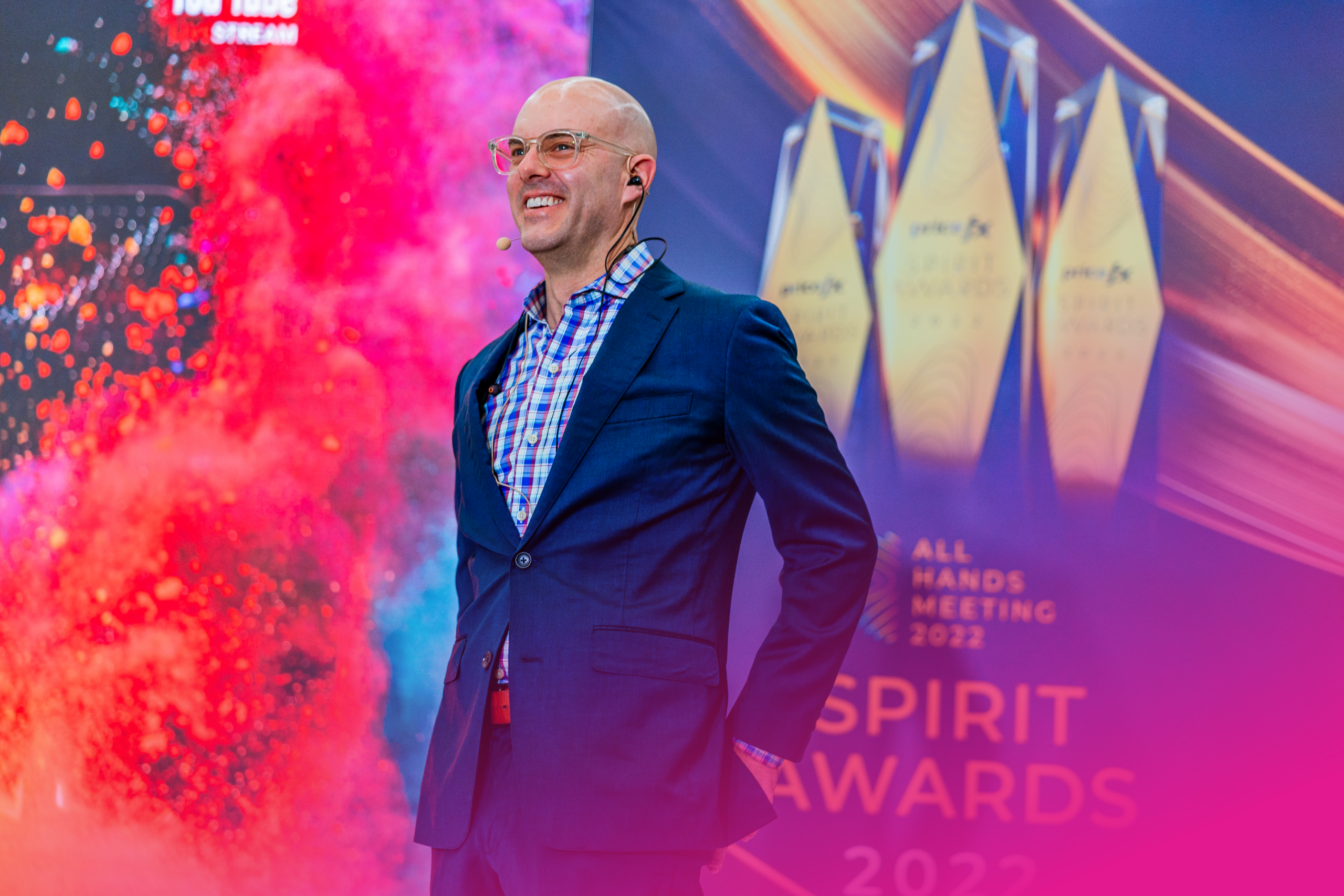
- Wewnętrzne spotkania i eventy pracownicze (też z koncertami, atrakcjami, logistyką dla 200+ osób)
- Targi i eventy wspierające ekspansję zagraniczną
- Roadshow i prezentacje dla partnerów
- Warsztaty i szkolenia eksperckie
- Kameralne spotkania VIP
Nie widzisz tu swojego typu wydarzenia?
Skontaktuj się z nami – chętnie sprawdzimy, czy możemy pomóc.
Jeśli planujesz inny typ wydarzenia – odezwij się. Doradzimy, czy i jak możemy pomóc.

FAQ
Najczęstsze pytania klientów
What kind of budget should we realistically expect?
Smaller launch events typically start around $15,000. Larger productions, multi-city roadshows, or projects involving media, sponsors, and custom production can easily move into six-figure budgets.
Roadshows are usually priced per stop, because every city, venue, and setup comes with different logistics and production requirements.
But the bigger question is usually not:
“How much can we spend?”
It is:
“What format actually makes sense for the business goal behind this project?”
In some cases, a large launch event is absolutely the right move. In others, a smaller series of focused meetings with key clients may produce a much better result with less risk and lower costs.
If we believe a certain format is too large, too expensive, or simply not the right fit for the stage your company is at, we will say that openly and help explore alternatives that make more sense.
Can you help us find sponsors or industry partners?
We help structure sponsorship packages, define visibility opportunities, and support conversations with potential partners.
In many projects, sponsors or industry partners help cover a meaningful part of the production costs, especially when the audience and business value behind the event are clearly defined.
This works particularly well with roadshows.
Regional partners often want access to the audience and visibility in their local market, but running a full event independently would not make financial sense for them. A shared format allows costs, logistics, and audience-building efforts to be distributed much more efficiently.
The key is making sure the partnership feels valuable for everyone involved, without turning the event into a wall of logos and sponsor slides.
How long does preparation usually take?
It depends on the scale and complexity of the project.
A smaller event or focused client meeting can sometimes be organized within a few weeks. A larger launch involving media, sponsors, production, content creation, and guest coordination usually requires at least 3–4 months of preparation.
Roadshows are a separate category altogether.
The timeline depends on:
- the number of cities,
- routing and logistics,
- local venue availability,
- shipping and customs if physical products are involved,
- and whether the project is regional, European, or international.
Some roadshows run for a few weeks. Others evolve into long-term programs across multiple countries over a year or more.
The larger the scale, the more important early planning becomes, not only for production quality, but also for budgets, logistics, and audience coordination.
Our product is not easy to present at a live event. How do you handle that?
That is actually very common in B2B.
Not every product belongs on a stage or inside a conference room. Industrial equipment, manufacturing systems, enterprise software, infrastructure solutions, or highly technical services often require a completely different approach than a traditional “product launch.”
Sometimes the best format is a live demo at a client facility. Sometimes it is a smaller executive session where engineers speak directly with engineers. In other cases, video, simulation, remote access, or a carefully designed hands-on setup communicates the value much better than a large presentation ever could.
Most buyers are not trying to understand every feature.
They are trying to understand:
- what problem this solves,
- what changes after implementation,
- what the operational impact looks like,
- and whether it realistically fits their business.
That is where many launches fail.
Companies focus heavily on specifications, while buyers are looking for clarity, trust, implementation confidence, and business value.
We help choose the format that makes the product easier to understand for the people who actually need to make the decision.
Is the launch itself enough, or does the real work start afterward?
The real work usually starts afterward.
A launch creates attention, momentum, and conversations, but by itself, it rarely closes the entire sales process.
Before the event, the right audience needs to hear about it. Media outreach, invitations, positioning, messaging, and content preparation all matter long before the doors even open.
And the content itself matters too.
People rarely engage with material that feels overly promotional or self-congratulatory. What works much better is honest communication that clearly explains:
- what problem the product solves,
- where it fits in the market,
- what makes it different,
- and who it is realistically for.
After the event, the momentum still needs to be carried forward:
follow-up conversations, sales outreach, case studies, recordings, presentations, and content distribution often become just as important as the launch itself.
A successful launch creates interest.
What happens afterward determines whether that interest turns into actual business.
Can you run roadshows across multiple countries?
Yes, across Europe and the U.S.
But international roadshows are rarely about repeating the exact same event in different cities.
Every market behaves differently:
- business culture,
- communication style,
- networking expectations,
- local holidays,
- industry calendars,
- venue standards,
- and even the pace of decision-making can vary significantly between countries.
What works well in Warsaw may not work the same way in Chicago, Amsterdam, or Copenhagen.
That is why we often adapt not only the logistics, but also the communication flow, event structure, local partnerships, and attendee experience around each market.
The goal is not simply to “repeat the event.”
The goal is making sure the right people are actually in the room in every location.
We are not a huge brand. Is a media launch still worth it?
Very often -yes.
But usually not by chasing large mainstream headlines.
In B2B, industry media, niche publications, trade portals, and specialized communities are often far more valuable than broad general exposure.
The key is credibility.
We help prepare materials that feel useful and informative, not like disguised advertising. Because the moment people feel they are reading a corporate sales piece pretending to be an article, trust usually disappears very quickly.
What tends to work much better is honest communication:
- what the product solves,
- where it fits,
- what changed for the client,
- and why the market should care.
That is usually what starts conversations, generates meetings, and creates real interest afterward.
I have a question that is not listed here. Can I just reach out?
Absolutely.
Every launch, roadshow, and product is different, and many of the most important conversations start with questions that do not fit neatly into a standard FAQ.
Feel free to reach out.
We will answer honestly, directly, and help you figure out what actually makes sense for your situation.
Planning an Event, Trade Show, or Conference?
Tell us what you’re trying to achieve. We’ll get back to you to schedule a short, free call – and help you figure out the right format, where to put your budget, and how to approach the project.
Rather just email us?
hello@eventgurub2b.com
